2017, issue 7

Straight talking on limited treatment orthodontics

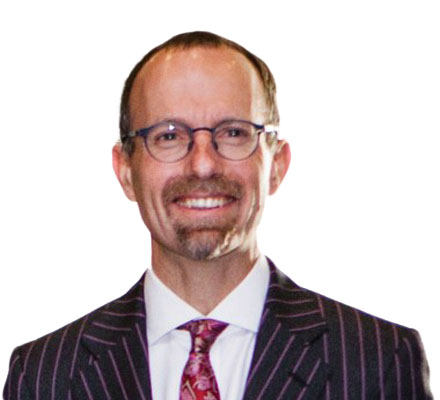
David Manger
David Manger and Claire Nightingale talk about the rewards and risks of limited treatment orthodontics and the danger of promising 'perfect teeth'.

The time frame is part of the appeal, but it's important to be honest with marketing and temper patients' expectations about what can be achieved.

E-learning

Continue your professional development

This page was correct at publication on 19/06/2017. Any guidance is intended as general guidance for members only. If you are a member and need specific advice relating to your own circumstances, please contact one of our advisers.

David Manger

BDS, DipPCOrth (RCS Eng) David qualified from Cardiff Dental School in 1987 and worked in general practice from 1998 to 2003. During this time he worked as an orthodontic clinical assistant in Peterborough Hospital and completed the Trent two-year orthodontic training course for GDPs. In 2003 he left general practice to work full time in orthodontic practice in Kettering and in 2010 he was awarded a Diploma in Primary Care Orthodontics from the Royal College of Surgeons. David is an active member of the British Orthodontic Society; he is the current honorary treasurer and trustee and has previously served as chairman of the society's Practitioner Group.

Claire Nightingale

MSc, BDS (Hons), FDS (Orth) RCS (UK), MOrth RCS (Edin), FDS RCS (Eng) Claire qualified as a dentist from Newcastle Dental School in 1989 and completed her masters in orthodontics at Bristol Dental School in 1996. She has her own private orthodontics practice in South Kensington, alongside an NHS Consultant post at Watford General Hospital. In addition to being involved in post-graduate orthodontics training, Claire is the author of a number of textbooks and papers on the specialty.